Deutsche Tiernahrung Cremer (DTC) is one of the largest animal feed producers in Germany. The company operates 15 facilities throughout the country and employs over 800 people. In 2023, DTC manufactured approximately 2.3 million tons of feed. Its primary focus is on creating compound, mineral, and specialty feeds for cattle, pigs, and poultry, as well as products for pets and various companion animals.
DTC had several investment objectives for its Bramsche plant.
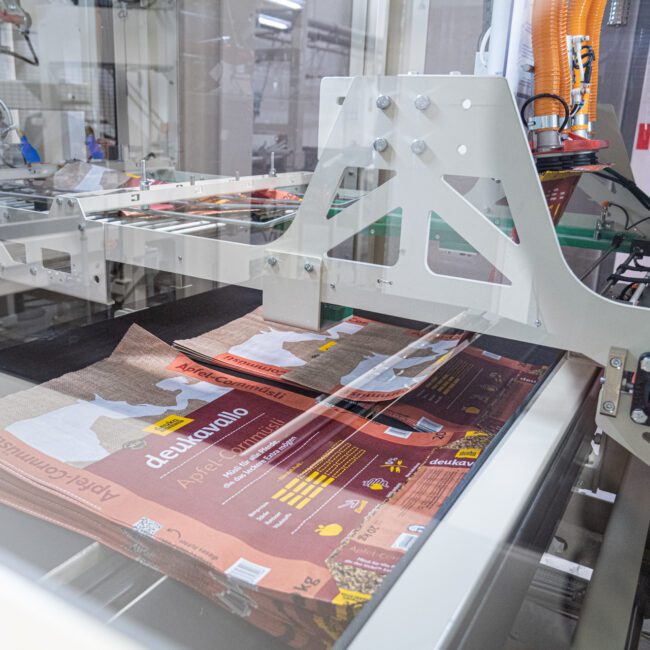
First, to migrate from single-format valve bagging to multi-format open-mouth bagging. DTC required a versatile bagging machine capable of handling various feeds for horses, farm animals (cows, pigs, goats, and sheep), and poultry (chickens, turkeys, ducks, and quail). Depending on the animal, the feed came in pellet, granulated, flour, or mashed form.
The pre-made open-mouth bags were available in 10, 15, 20, 25, and 30 kg formats and could be made of either paper or plastic, both with a folded bottom.
The second objective was to double the current bagging capacity, from 600 bags/hour to 1,200 bags/hour in the 25 kg format.
Finally, they wanted to improve weighing accuracy with advanced weighing systems homologated in Germany.
In addition, the location of the bagging machine at the Bramsche plant also had to be taken into account. The available space was limited due to several immovable pillars from the existing structure, factors that had to be carefully considered during the design phase.
For weighing, the PN90 net weight electronic scale was included, offering high production capacity and accuracy thanks to the MCB+ electronic weighing controller, which delivers exceptional precision at high bagging speeds.
Since the products are food-grade, the parts in contact with the product were manufactured in AISI 304 stainless steel.
For dosing, a conveyor belt feeding system was used, which is ideal for fragile or non-free-flowing products such as irregular granules or coarse powders.
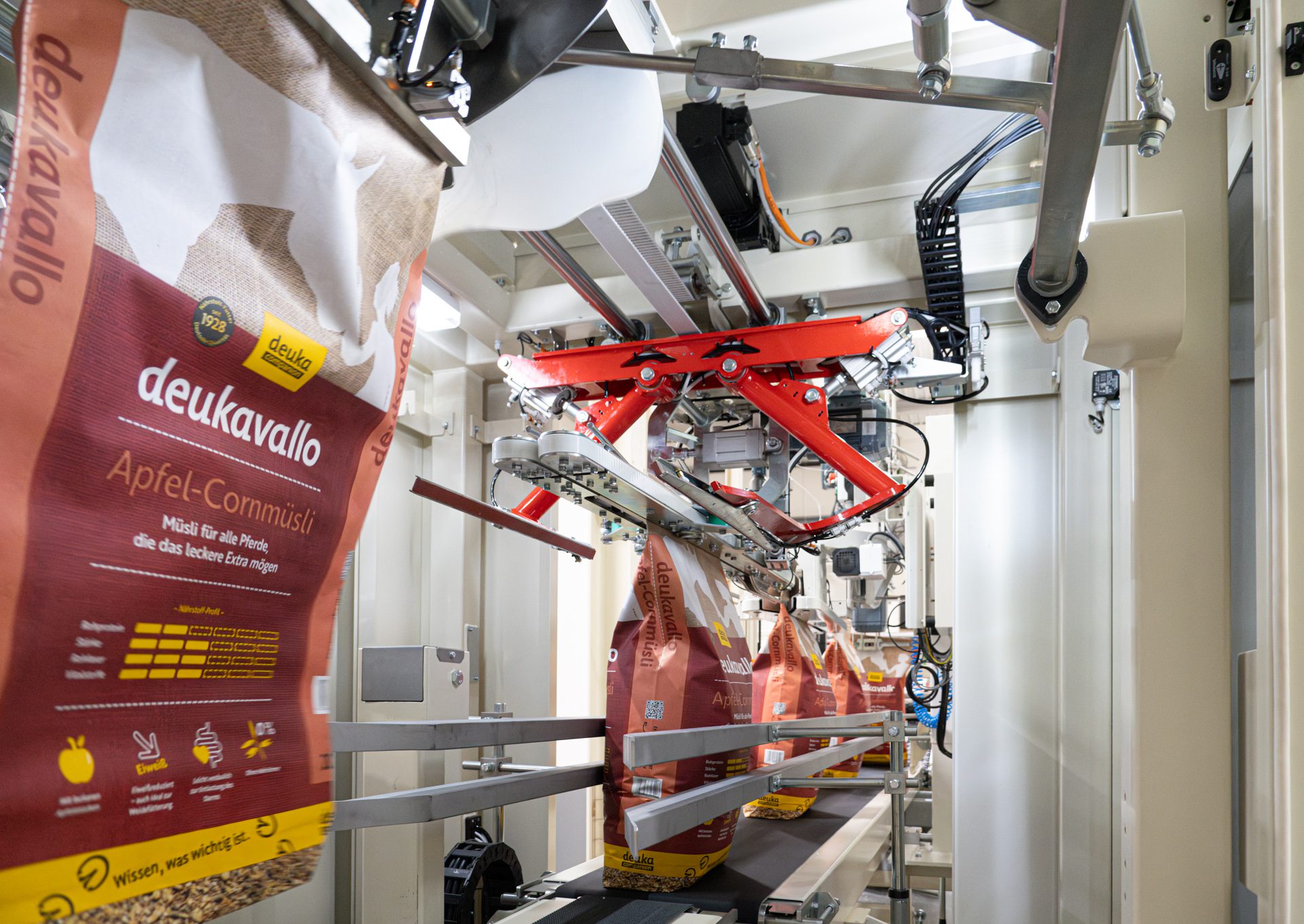
DTC chose PAYPER’s CSA 125 open-mouth bagger for its versatility and production capacity, reaching up to 1,200 bags per hour. The engineering team adapted the bagger’s design so that it could fit seamlessly into the existing structure of the manufacturing plant, with many columns restricting the space.
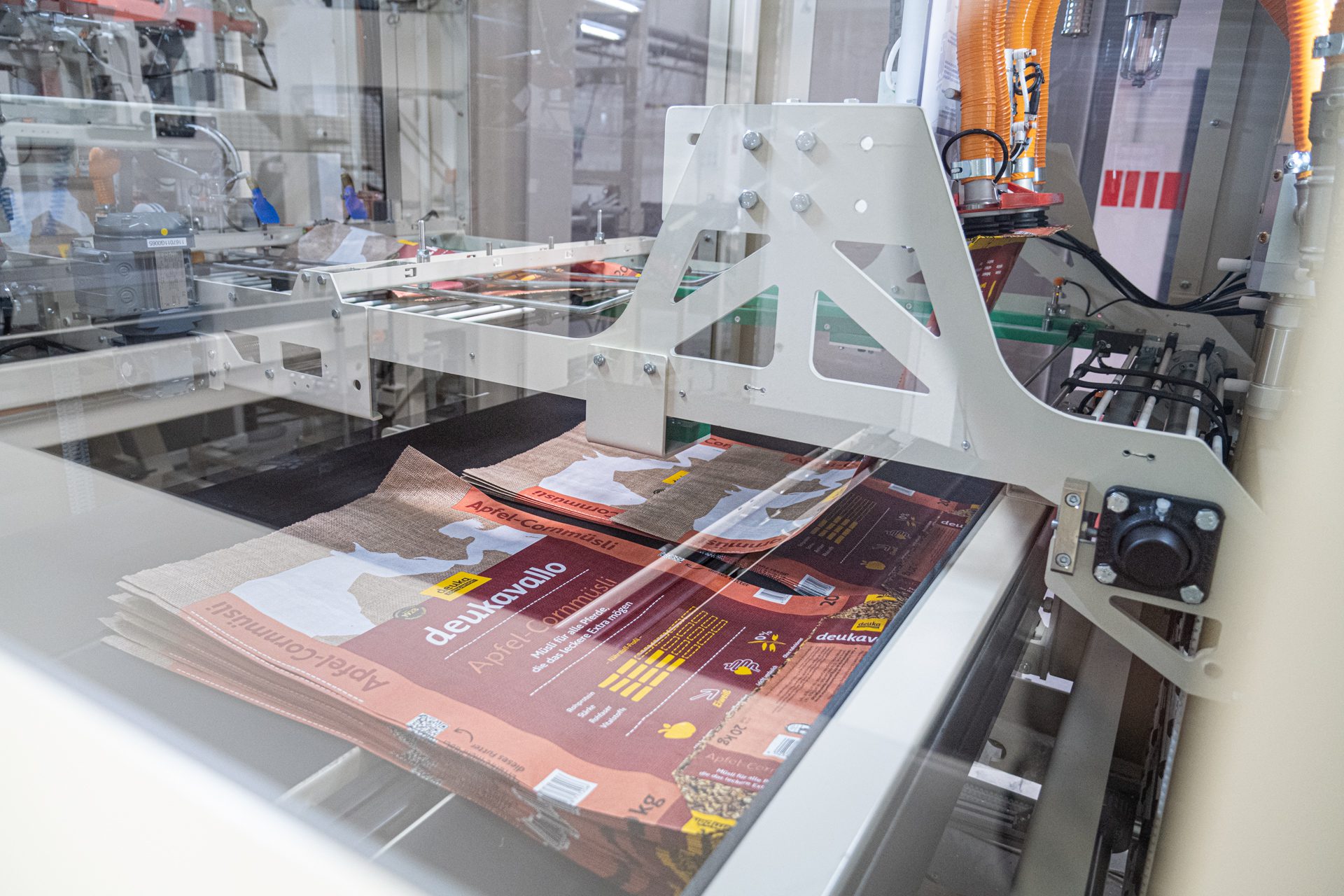
A multi-stack empty bag magazine allows storage of 4 to 5 stacks of bags (depending on bag size), providing greater production autonomy.
The CSA bagging machine includes various stations tailored to the project’s requirements. After bag-filling, there is a product settling station, where the bottom of the bag is tapped to compact the contents and reduce trapped air.
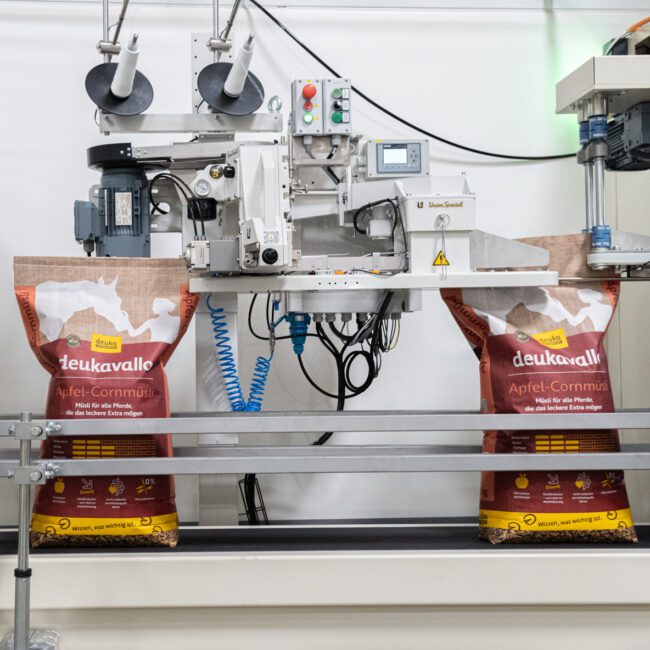
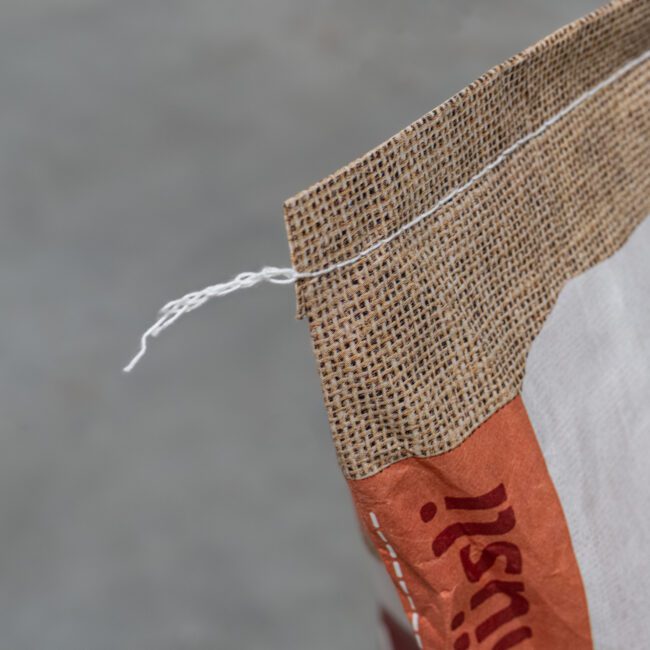
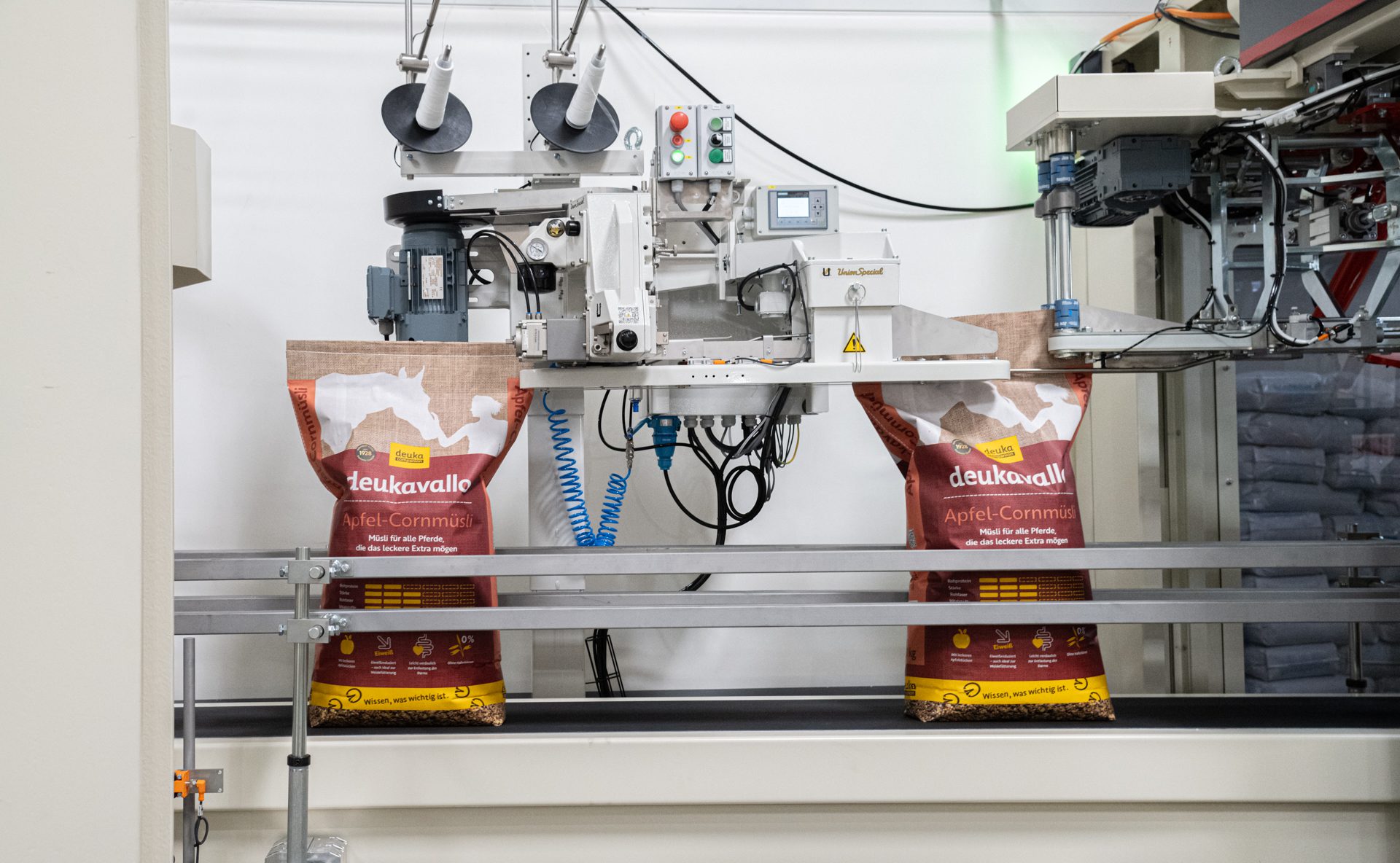
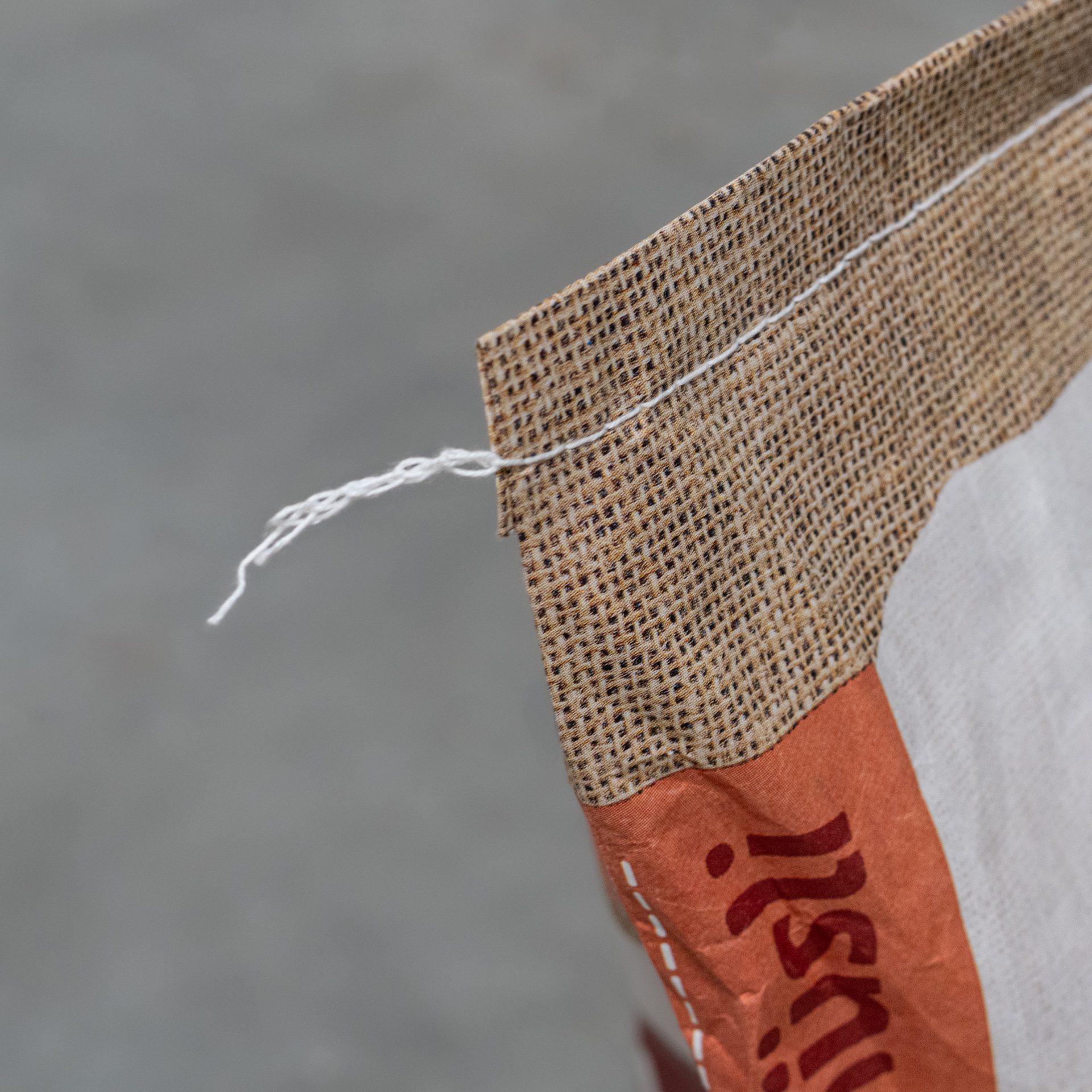
In the next station, a sewing system folds and stitches the bags closed.
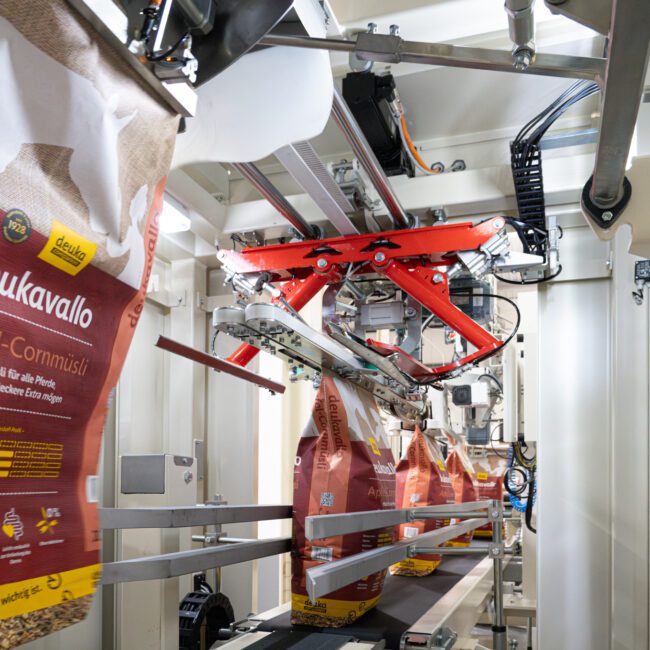
After the closing station, the bag moves along a horizontal conveyor, where a motorized flattening roller evenly distributes the product inside the bag. This process helps standardize and compact the bag’s shape for optimal palletizing.
Finally, for quality control, a broken-bag detection hopper removes any bags showing signs of damage or defects.